
Unlocking the Future: How Fintech Development is Transforming Finance

In recent years, the financial technology (fintech) sector has experienced explosive growth, transforming the way we manage our finances and interact with financial institutions. Fintech development encompasses a wide range of innovations, from mobile banking apps to blockchain technology, making financial services more accessible, efficient, and secure. One of the most significant advancements in fintech development is the rise of mobile wallets. These applications allow users to store their payment information securely and make transactions using their smartphones. With the increasing adoption of smartphones globally, mobile wallets are becoming an essential tool for personal finance management. Popular examples include Apple Pay, Google Wallet, and various banking apps that facilitate peer-to-peer payments. Moreover, fintech development has also paved the way for digital banking. Traditional banks are now facing competition from neobanks—fully digital banks that operate without physical branches. Neobanks offer streamlined services and often lower fees, appealing to a tech-savvy generation. The convenience of managing finances through an app has made digital banking a preferred choice for many consumers. Another area where fintech development is making a significant impact is in the realm of financial inclusion. Many individuals in developing countries lack access to traditional banking services, but fintech solutions are bridging this gap. By leveraging mobile technology and innovative business models, fintech companies are providing essential financial services to underserved populations. This shift not only empowers individuals but also promotes economic growth in these regions. Security is paramount in the fintech industry. As more services move online, the need for robust security measures has never been greater. Fintech development teams are focusing on implementing advanced technologies like AI and machine learning to detect fraudulent activities and enhance cybersecurity. Ensuring the safety of financial transactions builds trust among users and encourages more people to adopt digital solutions. Collaboration between traditional banks and fintech startups is also on the rise. Many banks are recognizing the potential of fintech innovations and are partnering with startups to enhance their service offerings. This collaboration is a win-win situation, allowing banks to remain competitive while providing consumers with improved financial products. In conclusion, fintech development is reshaping the financial landscape, offering new solutions that enhance convenience, security, and accessibility. As technology continues to evolve, we can expect even more innovative solutions that will further transform how we manage our finances. Whether through mobile wallets, digital banking, or enhanced security measures, the future of finance looks promising.
The Future of Fintech: Embracing Digital Transformation

In the rapidly evolving world of finance, fintech development has emerged as a transformative force that reshapes how we interact with money. With the increasing adoption of technology, businesses and consumers alike are seeking innovative solutions that enhance efficiency and user experience. Digital transformation is not just a buzzword; it is a necessity for financial institutions looking to stay competitive. By leveraging advanced technologies such as artificial intelligence (AI), blockchain, and data analytics, companies can develop more personalized financial products and services. For instance, AI-driven chatbots are now commonplace, providing instant customer support and facilitating transactions with ease. Moreover, the integration of blockchain technology is revolutionizing the way transactions are conducted. It offers a secure, transparent, and efficient method for transferring assets, reducing the need for intermediaries and minimizing costs. As fintech companies explore these technologies, we are witnessing the rise of decentralized finance (DeFi), where users have more control over their financial activities. Financial inclusion is another critical aspect that fintech aims to address. With mobile wallets and online banking solutions, individuals in remote areas can access financial services previously unavailable to them. This democratization of finance is paving the way for a more inclusive economy. As we delve deeper into the world of fintech, it is essential for startups and established firms to focus on regulatory compliance. Adhering to standards such as PSD2 and PCI DSS ensures that customer data is protected, fostering trust and confidence in digital financial solutions. In conclusion, the future of fintech development is bright. By embracing digital transformation and focusing on customer-centric solutions, businesses can navigate the complexities of the financial landscape while driving growth and innovation.
The Rise of Fintech Apps: Transforming Financial Services

In today’s fast-paced digital world, fintech apps are revolutionizing the way we manage our finances. From budgeting tools to investment platforms, these applications are not just convenient; they are essential for navigating modern financial landscapes. Fintech development has emerged as a critical sector, driven by the demand for more efficient, user-friendly, and secure financial solutions. As traditional banking services struggle to keep pace with consumer expectations, fintech companies are stepping in with innovative technologies that provide seamless experiences. One of the key areas of focus in fintech app development is enhancing user experience (UX). Developers are increasingly adopting UX design principles to create intuitive interfaces that simplify complex financial processes. This focus on UX is crucial, as it directly impacts user engagement and retention. Moreover, the rise of mobile wallets and peer-to-peer payment solutions has changed the way users interact with money. Apps like Venmo and Cash App offer effortless transaction capabilities, making it easier for users to send and receive money instantly. The convenience of these services indicates a significant shift towards digital banking, which is becoming the norm rather than the exception. As fintech continues to evolve, security remains a top priority. Companies are investing heavily in fintech security measures, including encryption standards and compliance with regulations such as KYC (Know Your Customer) and AML (Anti-Money Laundering). This emphasis on security is vital in building trust with consumers who are wary of sharing their financial information online. Looking to the future, the integration of artificial intelligence (AI) in fintech apps is set to enhance capabilities further. AI can provide personalized recommendations, automate customer service through chatbots, and improve fraud detection, making financial management more efficient than ever. In conclusion, fintech apps are not just a trend; they are a fundamental shift in how we perceive and manage our finances. As technology continues to advance, the potential for innovation in this sector is limitless, promising a future where financial services are more accessible, secure, and user-friendly than ever before.
Navigating the Future of Digital Banking: Innovations and Trends

In the rapidly evolving world of digital banking, the pace of innovation is relentless. With the advent of technologies such as blockchain, artificial intelligence, and mobile applications, banks and financial institutions are reshaping their services to meet the growing demands of tech-savvy consumers. One of the most significant trends in digital banking is the rise of neobanks. These are entirely online banks that operate without traditional physical branches. Neobanks leverage technology to provide a seamless user experience, offering features such as instant account setup, low fees, and user-friendly interfaces. For more on neobanks, check out this Forbes article that highlights their impact on the banking sector. Another critical aspect of digital banking is the integration of AI in fintech. AI-driven solutions are transforming customer service through the use of chatbots and virtual assistants, which provide 24/7 support and instant responses to customer inquiries. Moreover, AI algorithms analyze customer data to offer personalized financial advice, helping users make informed decisions about their finances. Security remains a top priority in the realm of digital banking. As cyber threats become more sophisticated, institutions are investing heavily in advanced security measures, including encryption standards and KYC verification. These practices ensure that customer data is safeguarded and transactions are secure. For an in-depth understanding of KYC regulations, refer to this Investopedia guide. As we look to the future, the concept of open banking is gaining traction. This approach allows third-party providers to access financial data from banks and other institutions, fostering innovation and competition. By enabling customers to share their financial data securely, open banking is set to revolutionize how financial services are delivered. In conclusion, digital banking is at the forefront of the financial technology revolution. By embracing innovation and prioritizing customer experience, banks can stay competitive in a landscape where consumer expectations are continuously evolving. Keeping abreast of these trends is essential for anyone interested in the future of finance.
11 Innovative Ways Mobile Apps are Transforming Real Estate Brokerage

In the rapidly evolving real estate landscape, mobile apps have emerged as vital tools for modern brokers. Discover 11 ways these applications enhance operations, improve communication, and elevate service for agents and clients alike.
11 Innovative Ways Mobile Apps are Transforming Real Estate Brokerage

In the rapidly evolving real estate landscape, mobile apps have emerged as vital tools for modern brokers. Discover 11 ways these applications enhance operations, improve communication, and elevate service for agents and clients alike.
Digital Transformation: Is Your Business Future-Ready?

Digital transformation isn’t just a buzzword — it’s the evolution your business needs to thrive. From automating workflows to embracing data analytics and mobile technologies, going digital boosts efficiency, reduces costs, and opens new revenue streams. Yet, many businesses hesitate due to fear of complexity or cost. The truth is: transformation doesn’t have to be overwhelming. With the right strategy and tools, even small steps can make a big difference. SmartROB Technologies partners with businesses to guide them through every phase — from consulting and software development to system integration and optimization. Whether you’re adopting a cloud-based solution, building a digital product, or enhancing internal processes, we tailor our approach to your specific needs. Future-ready businesses aren’t waiting for change — they’re leading it.
The Power of Web Design: First Impressions Matter

Your website is often the first interaction customers have with your brand. Within seconds, visitors decide whether to stay or bounce — based on design alone. That’s why exceptional web design is critical for credibility and conversion. A well-designed website does more than look good. It guides users intuitively, loads fast, and adapts to all devices. From layout and typography to color and animation, every design element tells your story and builds trust. At SmartROB Technologies, we combine creativity with user-centric principles to design websites that not only wow visitors but also convert them. Whether it’s a simple landing page or a multi-page corporate site, we design with purpose and precision. Your business deserves a digital presence that’s as bold and professional as you are. Let us help you make that unforgettable first impression.
Why Your Business Needs a Mobile App in 2025
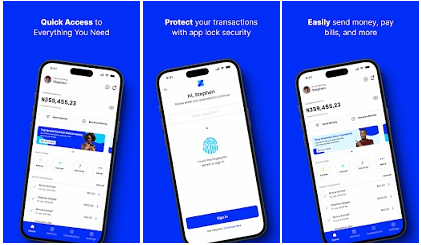
In today’s fast-paced digital world, having a mobile app is no longer a luxury — it’s a necessity. Whether you’re a startup or an established business, a mobile app keeps your brand within arm’s reach of your customers, 24/7. Mobile apps offer a more personalized experience than websites. Push notifications, location-based services, and offline access make it easier to engage your audience in real-time. Plus, apps streamline operations like bookings, payments, or support — all from a user’s pocket. At SmartROB Technologies, we develop intuitive, high-performance apps tailored to your business goals. From financial platforms and delivery apps to marketplaces and service-based solutions, our team ensures speed, security, and seamless UX. With over 80% of internet users accessing content via mobile, a well-designed app can dramatically boost your visibility, sales, and customer loyalty. Investing in mobile app development today means staying ahead of your competition tomorrow.